Nepal Trekking Permits Explained
Almost every trek in Nepal needs at least one permit. They pay for the upkeep of national parks and conservation areas, help local communities, and let the authorities know who is on the trail in case of emergency. The good news: for most treks the permits are simple to arrange, and when you trek with a guide, your guide takes care of them for you.
This guide explains the main permits, which treks need which ones, and what you need to bring.
Rules change. Permit types, fees and regulations in Nepal are updated from time to time. The information below is a general overview. I always confirm the latest requirements before every trip.
The main types of permit
Conservation area permits
Many of Nepal’s most popular treks pass through protected conservation areas, which need an entry permit:
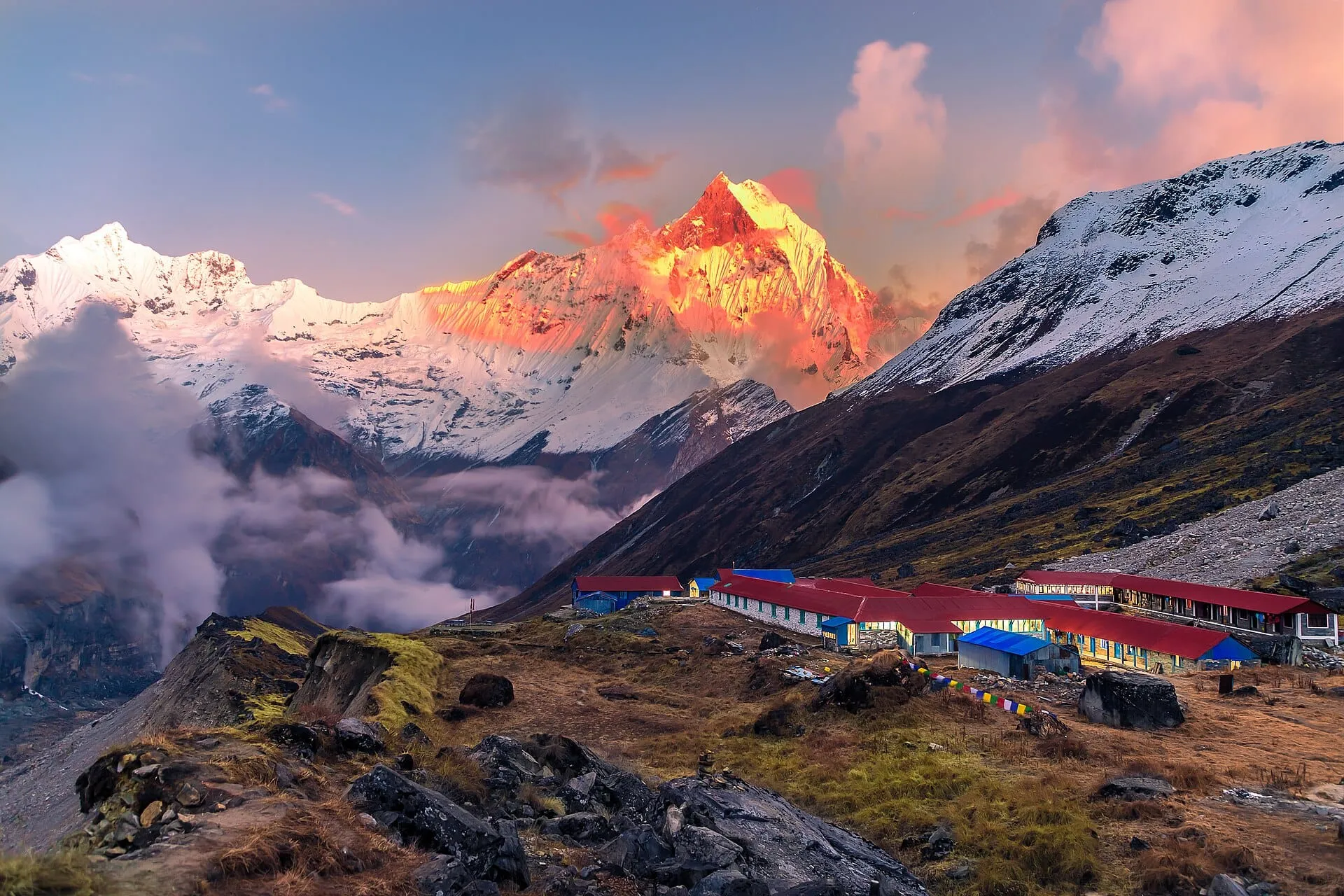
- ACAP (Annapurna Conservation Area Permit): for any trek in the Annapurna region, including Annapurna Base Camp, Poon Hill, Mardi Himal and the Annapurna Circuit. It’s also needed for Upper Mustang and for the end of the Manaslu Circuit.
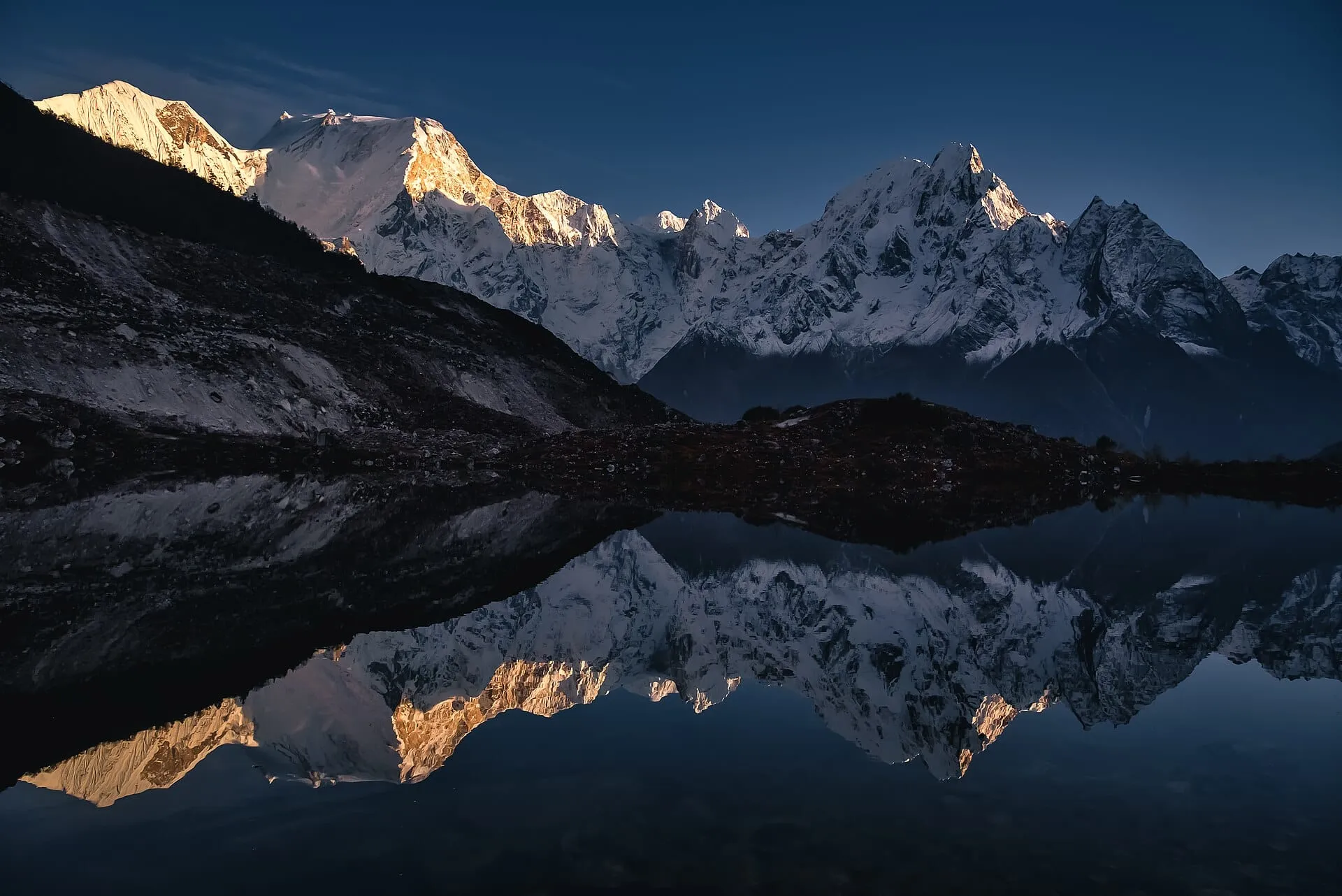
- MCAP (Manaslu Conservation Area Permit): for the Manaslu region.
National park permits
Treks inside national parks need a park entry permit:
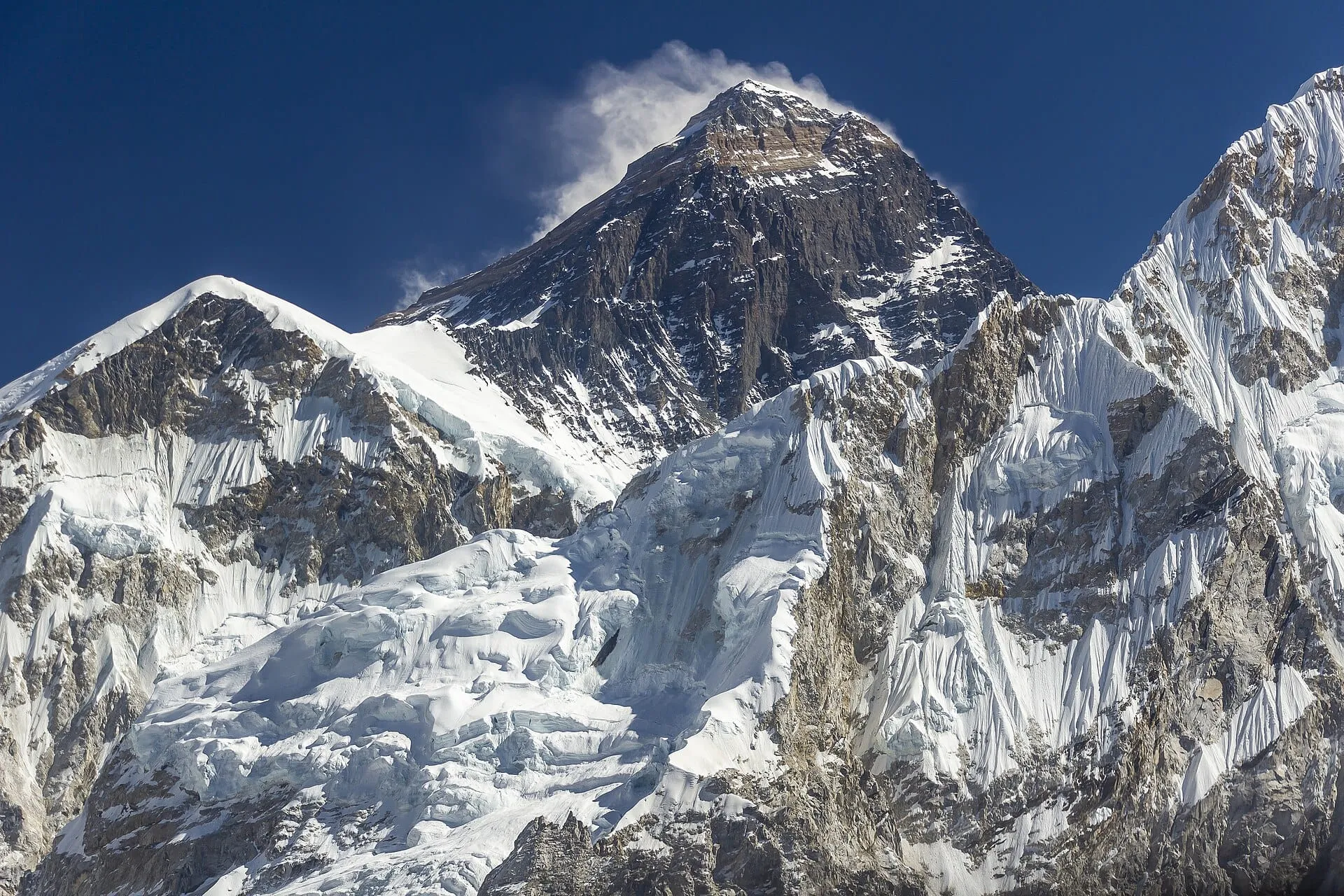
- Sagarmatha National Park permit: for Everest Base Camp, Gokyo Lakes and other treks in the Khumbu.
- Langtang National Park permit: for the Langtang Valley trek.
TIMS card
The TIMS card (Trekkers’ Information Management System) records your trek details for safety. It’s required for most treks, such as those in the Annapurna and Langtang regions. In the Everest (Khumbu) region, a local Khumbu Pasang Lhamu Rural Municipality permit is used instead of TIMS.
Restricted area permits
Some remote regions near the Tibetan border are restricted areas, with special rules:
- They can only be issued through a registered trekking agency.
- You must trek with a licensed guide.
- There must usually be at least two trekkers in the group.
Treks on this site that need one: the Manaslu Circuit (Manaslu Restricted Area Permit) and Upper Mustang (Upper Mustang Restricted Area Permit).
Which permits does each trek need?
| Trek | Permits |
|---|---|
| Annapurna Base Camp | ACAP + TIMS |
| Ghorepani Poon Hill | ACAP + TIMS |
| Mardi Himal | ACAP + TIMS |
| Annapurna Circuit | ACAP + TIMS |
| Everest Base Camp | Sagarmatha National Park + Khumbu Pasang Lhamu Rural Municipality permit |
| Gokyo Lakes | Sagarmatha National Park + Khumbu Pasang Lhamu Rural Municipality permit |
| Langtang Valley | Langtang National Park + TIMS |
| Manaslu Circuit | Manaslu Restricted Area Permit + MCAP + ACAP |
| Upper Mustang | Upper Mustang Restricted Area Permit + ACAP |
Do you need a guide to trek in Nepal?
Since April 2023, the Nepal Tourism Board has required foreign trekkers in most national parks and conservation areas to trek with a licensed guide, rather than trekking completely independently. The Everest (Khumbu) region has so far been an exception to this rule. Restricted areas such as Manaslu and Upper Mustang have always required a licensed guide.
Read more in my guide on trekking in Nepal with a guide, a porter or solo.
Where to get your permits
- Nepal Tourism Board offices in Kathmandu and Pokhara issue ACAP and TIMS for the Annapurna region and other areas.
- Everest region: the Sagarmatha National Park permit can be bought in Kathmandu or at the park entrance at Monjo. The Khumbu municipality permit is collected on the trail near Lukla.
- Restricted areas: applied for by a registered trekking agency on your behalf.
- Checkpoints: permits are checked along the trail (for example at Birethanti and Chhomrong in the Annapurna region), so keep them easy to reach.
What to bring
- Your passport (and a photocopy)
- Passport-size photos (bring a few spares)
- A valid Nepal tourist visa
- Your planned trekking dates and route
- Your travel insurance details, including cover for helicopter rescue at high altitude
Let me handle it
When you trek with me, I arrange all the permits for your route before we start, so you can focus on the mountains. Send me your dates and the trek you’re interested in, and I’ll let you know exactly what’s needed.