Do You Need a Guide in Nepal? Guide vs Porter vs Solo
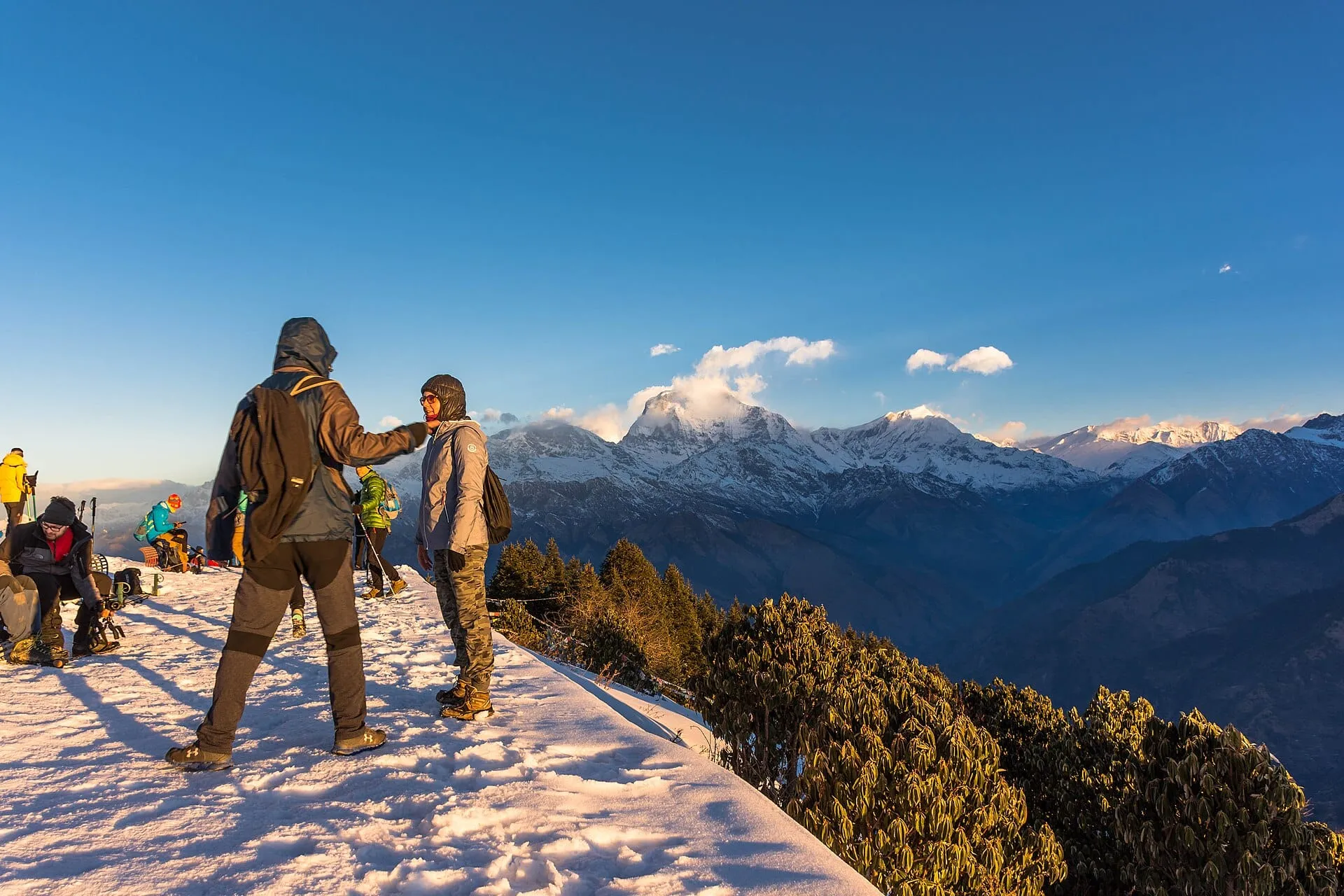
“Do I need a guide to trek in Nepal?” is one of the most common questions I get. A few years ago many people trekked completely on their own. Today the rules have changed, and even where they haven’t, a good local guide can turn a nice walk into the trip of a lifetime.
Here’s an honest look at the rules, the options, and how to choose.
The rules: guides are now required on most treks
Since April 2023, the Nepal Tourism Board has required foreign trekkers to hire a licensed trekking guide for treks in most national parks and conservation areas, including the popular Annapurna and Langtang regions. Independent (solo) trekking without a guide is no longer allowed on these routes.
A few important details:
- Everest (Khumbu) region: so far it has been an exception, and trekkers have still been able to walk without a guide. Rules can change, so check before you go.
- Restricted areas like the Manaslu Circuit and Upper Mustang have always required a licensed guide and a minimum of two trekkers.
- Permits such as ACAP and TIMS are arranged together with your guide. See my Nepal trekking permits guide.
Regulations are updated from time to time. I always confirm the latest rules for your route before the trek.
What does a trekking guide actually do?
A guide is much more than someone who knows the way:
- Plans the route and pace around your fitness, interests and dates
- Arranges permits, transport and teahouses, especially important in the busy seasons
- Looks after your safety: watches for altitude sickness, checks weather and trail conditions, and knows what to do if something goes wrong
- Translates and connects you with local people, so you understand the villages, monasteries and traditions along the way
- Knows the hidden spots: the best viewpoints, quieter side trails and the teahouse with the best dal bhat
Guide, porter or porter-guide?
| Option | What they do | Best for |
|---|---|---|
| Guide | Leads the trek, handles logistics, safety and culture. Doesn’t usually carry your main bag | Most trekkers |
| Porter | Carries your main bag between teahouses | Anyone who wants to walk with just a daypack |
| Porter-guide | Carries some of your gear and helps with the route | Light packers on easier routes |
Hiring a porter means you only carry a small daypack with water, snacks and layers. On long or high treks like Everest Base Camp or the Annapurna Circuit, that makes a huge difference to your energy and enjoyment. Please pack light out of respect for the person carrying your bag: a single duffel bag shared between two trekkers is a common arrangement.
The benefits of trekking with a local guide
- Safety at altitude: a guide notices symptoms early and adjusts the plan. Read more in my altitude sickness guide.
- No stress about logistics: permits, buses, jeeps, flights and rooms are all organised.
- Supporting local families: hiring local guides and porters keeps tourism income in mountain communities.
- Better stories: you’ll come home knowing why prayer flags have five colours and what the mani stones say.
How to choose a good trekking guide
- Check they’re licensed and ask about their experience on your chosen route.
- Talk before you book. A good guide asks about your fitness, experience and expectations.
- Ask how they handle altitude and emergencies, including acclimatisation days and evacuation plans.
- Make sure the itinerary isn’t rushed. Avoid plans that skip acclimatisation to save a day.
- Read reviews from past trekkers, and trust your gut. You’ll spend every day together, so it should feel easy to communicate.
- Ask about porter welfare: fair pay, proper gear and insurance for porters.
Can I still trek alone?
On most popular routes, not without a licensed guide any more. In the Everest region, independent trekking has still been possible. But even there, if it’s your first time at high altitude, walking with an experienced local guide is the safer, easier and more rewarding choice.
Thinking about a trek? Send me a message with your dates and I’ll help you plan the right route, with or without a porter.