Nepal Trekking Packing List
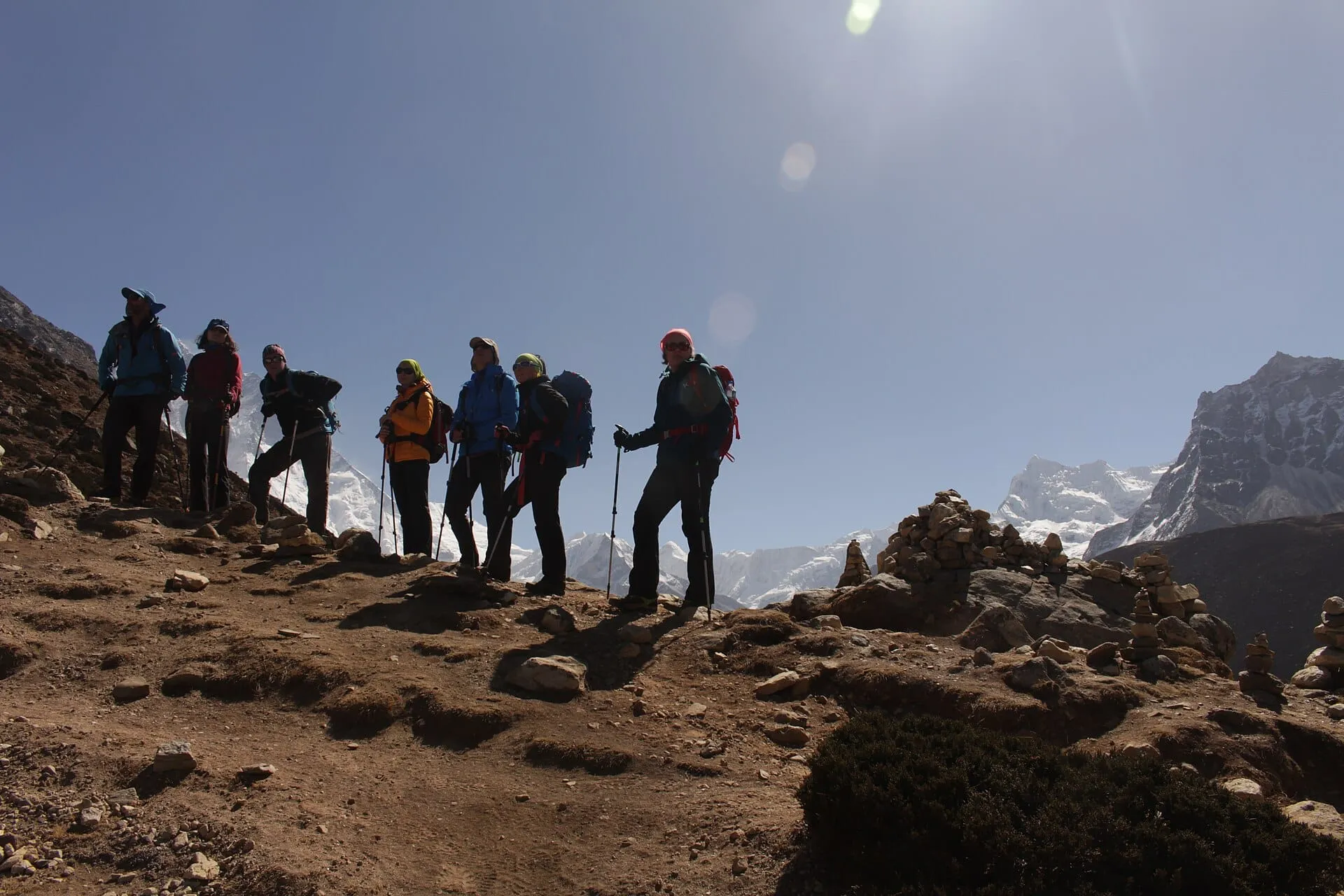
Packing for a trek in Nepal is all about layers and keeping weight down. On a teahouse trek you sleep and eat in local lodges, so you don’t need a tent, stove or food. But temperatures can swing from warm sunshine in the valleys to well below freezing at night higher up, so the right clothing makes a big difference to how much you enjoy the trail.
This list is based on the teahouse treks I guide, such as Annapurna Base Camp, Mardi Himal and Everest Base Camp. Adjust it for the season: you’ll need less in spring and more in winter.
Clothing: think in layers
Instead of one heavy jacket, wear several thin layers you can add or remove as you walk.
- Base layers: 2–3 moisture-wicking T-shirts (synthetic or merino wool, not cotton), plus one long-sleeve thermal top and thermal leggings for cold evenings
- Mid layer: a fleece jacket or light synthetic insulated jacket
- Warm jacket: a down or synthetic puffy jacket for evenings and early mornings, essential above 3,000 m
- Waterproof shell: a breathable rain jacket, plus waterproof trousers in the rainy season
- Trekking trousers: 1–2 pairs of quick-dry trousers (zip-off ones are handy)
- Underwear and socks: quick-dry underwear and 3–4 pairs of trekking socks, plus one warm pair for sleeping
- Hat, buff and gloves: a sun hat, a warm beanie, a neck buff, and light gloves plus warmer gloves for high altitude
Footwear
- Trekking boots: waterproof, with good ankle support and a grippy sole. Wear them in before your trip to avoid blisters.
- Camp shoes: light sandals or trainers for evenings in the teahouse.
- Gaiters and microspikes: useful in winter or after snowfall on high routes. Ask me before your trek.
Sleeping
- Sleeping bag: teahouses provide blankets, but they’re often thin and the rooms are unheated. A bag rated to around −10 °C is a good choice for high treks in autumn and spring; a lighter one is fine for lower treks like Poon Hill.
- Sleeping bag liner: adds warmth and keeps your bag clean.
Backpack
- Daypack (25–35 litres) with a rain cover, if a porter carries your main bag
- Duffel bag for the porter, or a trekking backpack (40–55 litres) if you carry everything yourself
- Dry bags or plastic bags to keep clothes dry inside your pack
Trail essentials
- Trekking poles (a big help on the stone steps and steep descents)
- Headtorch with spare batteries
- Sunglasses (category 3 or higher) and sunscreen, as the sun is strong at altitude
- Lip balm with SPF
- Reusable water bottles (2 × 1 litre) and water purification tablets or a filter, so you don’t need to buy plastic bottles
- Quick-dry towel
- Toilet paper and hand sanitiser
- Snacks from home, or buy chocolate and nuts in Pokhara or Kathmandu
- Power bank (charging costs extra in many teahouses, and it’s slower higher up)
First aid and personal medication
- Plasters and blister treatment (such as Compeed)
- Pain relief, rehydration salts and medicine for an upset stomach
- Any personal prescription medication
- Medicine for altitude sickness, only after speaking to your doctor (see my altitude sickness guide)
Documents and money
- Passport, Nepal visa, and photocopies of both
- Spare passport photos for permits (see my permits guide)
- Travel insurance details, including helicopter rescue cover at high altitude
- Cash in Nepali rupees: ATMs and card payments are rare on the trail, so take enough cash for teahouse meals, snacks, charging and hot showers
What to leave at home
- Cotton clothes and jeans (they stay wet and cold)
- Heavy books, extra shoes and anything you won’t use daily
- Valuables you don’t need, which can be left in your hotel in Pokhara or Kathmandu
Buy or rent in Nepal
You don’t have to bring everything from home. Thamel in Kathmandu and Lakeside in Pokhara have many shops where you can buy or rent down jackets, sleeping bags, trekking poles and duffel bags. Quality varies, so check items carefully.
Not sure what you need for your trek and season? Send me a message and I’ll tell you exactly what to bring.